
Loading...
Serving Ontario, CA and surrounding areas. (909) 738-1803
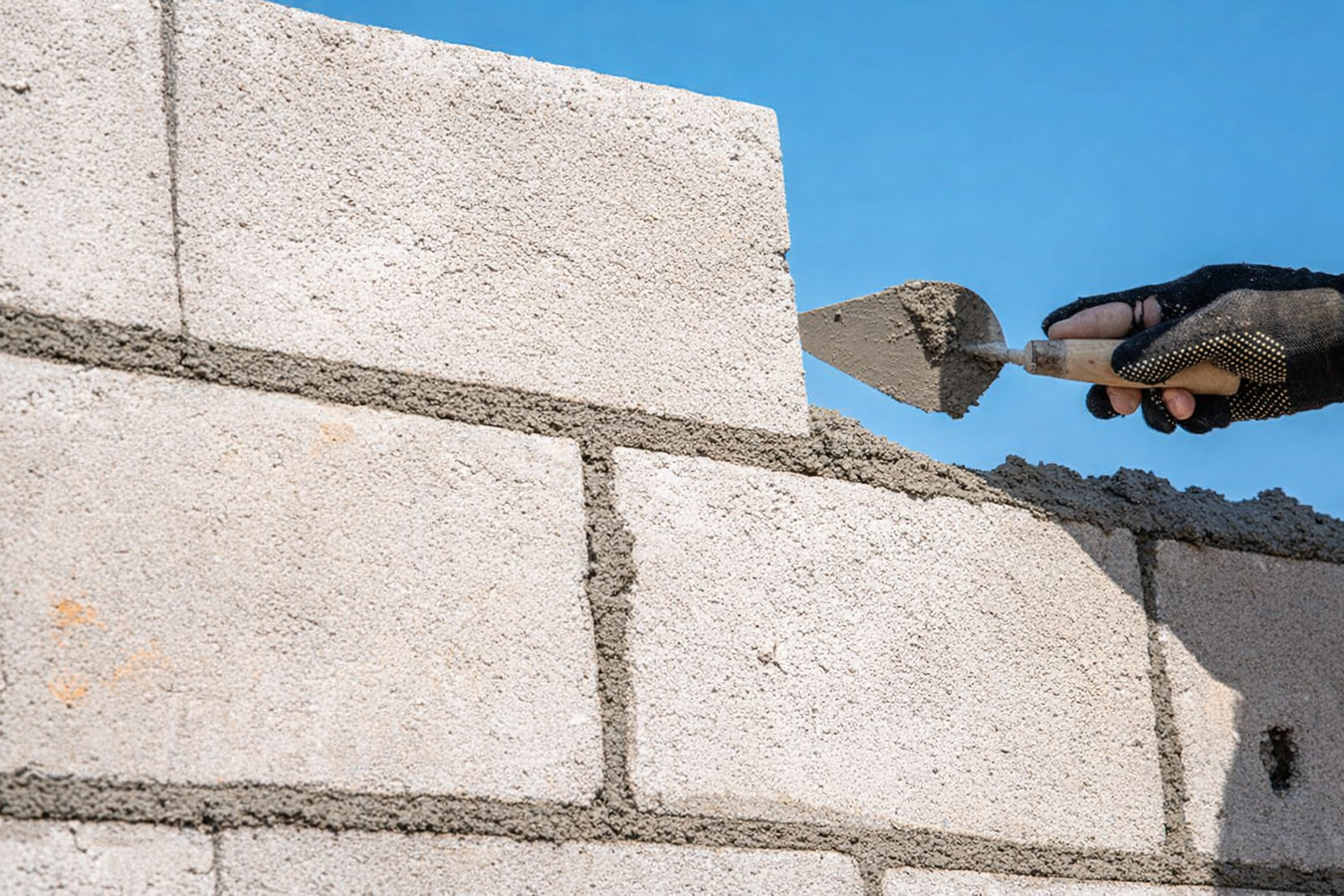
Leaning walls, failed footings, and no permit paperwork cause real problems down the road. We build foundation block walls in Ontario with proper concrete footings, required seismic reinforcement, and city inspections at every stage - so the wall is standing long after we leave.
Foundation block wall installation in Ontario, CA means building a structural masonry wall from stacked concrete blocks reinforced with steel rods and filled with concrete - anchored below grade by a poured concrete footing, and most residential projects take a crew two to five days of active work once permitting is complete. The footing is what separates a wall that lasts from one that shifts and cracks within a few years, especially on Ontario's expansive clay soils that swell when wet and shrink when dry. Every wall we build is permitted through the City of Ontario and inspected at the critical stages before it is covered or backfilled.
Foundation block walls serve different purposes depending on the property. On sloped lots, they hold back soil and prevent erosion. Along property lines, they provide privacy, security, and a permanent alternative to wood fencing that warps and degrades in Ontario's summer heat. For new construction or additions, they form the structural base that everything else is built on. If your property already has a wall showing structural problems, our foundation repair work can sometimes address isolated issues before a full replacement becomes necessary.
In Ontario, the permit process is not a formality - the city requires inspections at multiple stages, including before the footing is poured and before the cores are filled. That inspection record is your proof that the work was done right, and it travels with the property when you sell.
Stand at one end of your wall and look down its length. A wall that curves outward in the middle or leans to one side is under stress it was not designed to handle - often from soil pressure or a footing that has shifted. Ontario's expansive clay soils push against walls over many years, and a leaning wall can fail suddenly.
Hairline cracks in mortar are often cosmetic, but cracks wider than a quarter inch - especially diagonal cracks or cracks running through the blocks themselves - suggest structural movement. Ontario's soil conditions and occasional seismic activity can both cause this type of cracking over time.
Ontario does not get much rain, but when it does, water can move fast across compacted soil. If water collects against your home's foundation or flows toward the structure after a storm, a properly built block wall with drainage features can redirect it. Repeated water intrusion causes foundation damage over time.
Older block walls in Ontario - particularly those built before 1990 - were sometimes built without adequate steel reinforcement or with mortar that has since deteriorated. If chunks of mortar are falling away or a section of wall moves when pushed, patching is rarely a lasting fix. A full replacement is usually the more cost-effective long-term choice.
We handle foundation block wall installation across all the common residential scenarios in Ontario - new boundary walls, retaining walls on sloped lots, full replacements of deteriorated structures, and stabilization work on existing walls that are starting to fail. Every project starts with a site visit where we assess grade changes, soil conditions, and drainage before a single block is ordered. We dig footings to the correct depth for Ontario soil conditions, insert vertical steel rods through the block cores as California seismic requirements specify, and fill the cores with concrete once the wall reaches height. For properties with significant slope where holding back soil is the primary need, outdoor kitchen masonry projects often include block wall components as part of the overall structure.
We pull all required permits through the City of Ontario, schedule and coordinate every required city inspection, and provide you with the approved permit record at the end of the project. You never have to deal with the building department yourself. The National Concrete Masonry Association sets the technical standards we follow for block selection, mortar mix, and core fill specifications - so the work is grounded in nationally recognized best practices, not just local custom.
For homeowners building a new structural base, property boundary wall, or load-bearing wall where permanence and code compliance are the priority.
Suited for properties with a grade change where soil pressure demands reinforced block construction with proper drainage design.
For walls that have deteriorated past the point of repair - full demolition and rebuild with correct footings and seismic reinforcement from the ground up.
For existing walls showing structural cracking, leaning, or moisture damage, where targeted work can extend the life of the structure.
Ontario sits in one of the most seismically active parts of the country, and California's building code reflects that. Block walls here must be reinforced with steel and filled with concrete - not because it is optional, but because the ground in this region moves. The expansive clay soils common throughout the Inland Empire compound the challenge: that soil swells when it rains and shrinks when it dries, creating lateral pressure against any wall that is not designed to resist it. A wall built without these considerations in mind may look fine for a year or two, then start leaning or cracking as the soil does its work. The permit and inspection process at the City of Ontario exists precisely to catch these problems before they get covered up.
Ontario's summer heat adds another variable. Concrete poured at 100 degrees cures too fast, which makes it weaker - not stronger. We schedule concrete pours for early morning during hot months and use proven curing techniques when temperatures climb. Homeowners in Rancho Cucamonga and Upland face the same soil and seismic conditions as Ontario - we bring the same reinforcement standards and permit discipline to every job across the Inland Empire.
We respond within one business day. During the visit, we measure the site, assess soil conditions and grade changes, and give you a written estimate that separates labor, materials, and permit fees. There is no charge and no obligation.
For most block wall projects in Ontario, we pull the required building permit before any work begins. Permit review typically takes a few business days to a couple of weeks. We handle all the paperwork - you get a copy of the permit before work starts.
The crew marks the wall location, digs a trench for the concrete footing, and schedules a city inspection of the trench before any concrete is poured. This step is what the city requires - and it is what protects your wall's long-term stability.
After the footing cures, blocks go up in overlapping rows with steel rods set through the cores. Once the wall reaches height, the cores are filled with concrete. A city inspector returns for the final check, and we clean up the site and walk you through the finished work.
We visit your property in person, assess the site conditions, and give you a written estimate with no obligation. Permit fees and labor are listed separately so there are no surprises.
(909) 738-1803Ontario is in earthquake country, and we build every foundation block wall with the vertical steel reinforcement and concrete fill that California requires. We do not offer a cheaper version without reinforcement - a wall that fails in a seismic event is not something we will put our name on.
California Geological SurveyWe handle the permit application through the City of Ontario Building and Safety Division, coordinate all required inspections, and hand you the approved permit record when the job is done. You have documentation the wall was built to code - which matters at resale and with your insurance company.
Ontario's expansive clay soils behave differently from soils in many other parts of California. We have been working in the Inland Empire since 2020 and design footings and drainage to account for seasonal soil movement - not to a one-size-fits-all national standard.
Many Ontario neighborhoods have HOA design rules that govern wall height, finish, and setback - rules that are completely separate from the city permit process. We confirm your community's requirements in writing before ordering materials, so the finished wall satisfies both the city inspector and your association.
Every one of these commitments comes down to the same thing: a block wall that is still standing and still looking right in twenty years. We have been building in the Inland Empire long enough to know what Ontario soil and Ontario summers do to walls that cut corners - and we build accordingly. The National Concrete Masonry Association sets the technical standards we reference, and the City of Ontario's inspection process gives you an independent check at the stages that matter most.
Permanent masonry outdoor kitchen structures built to handle Ontario's heat, with non-combustible materials and proper permitting.
Learn MoreStructural repair work for existing foundations showing cracks, settling, or moisture damage throughout the Ontario area.
Learn MorePermit slots fill up - reaching out now means we can get your project on the schedule before summer heat makes concrete work more challenging.