
Loading...
Serving Ontario, CA and surrounding areas. (909) 738-1803
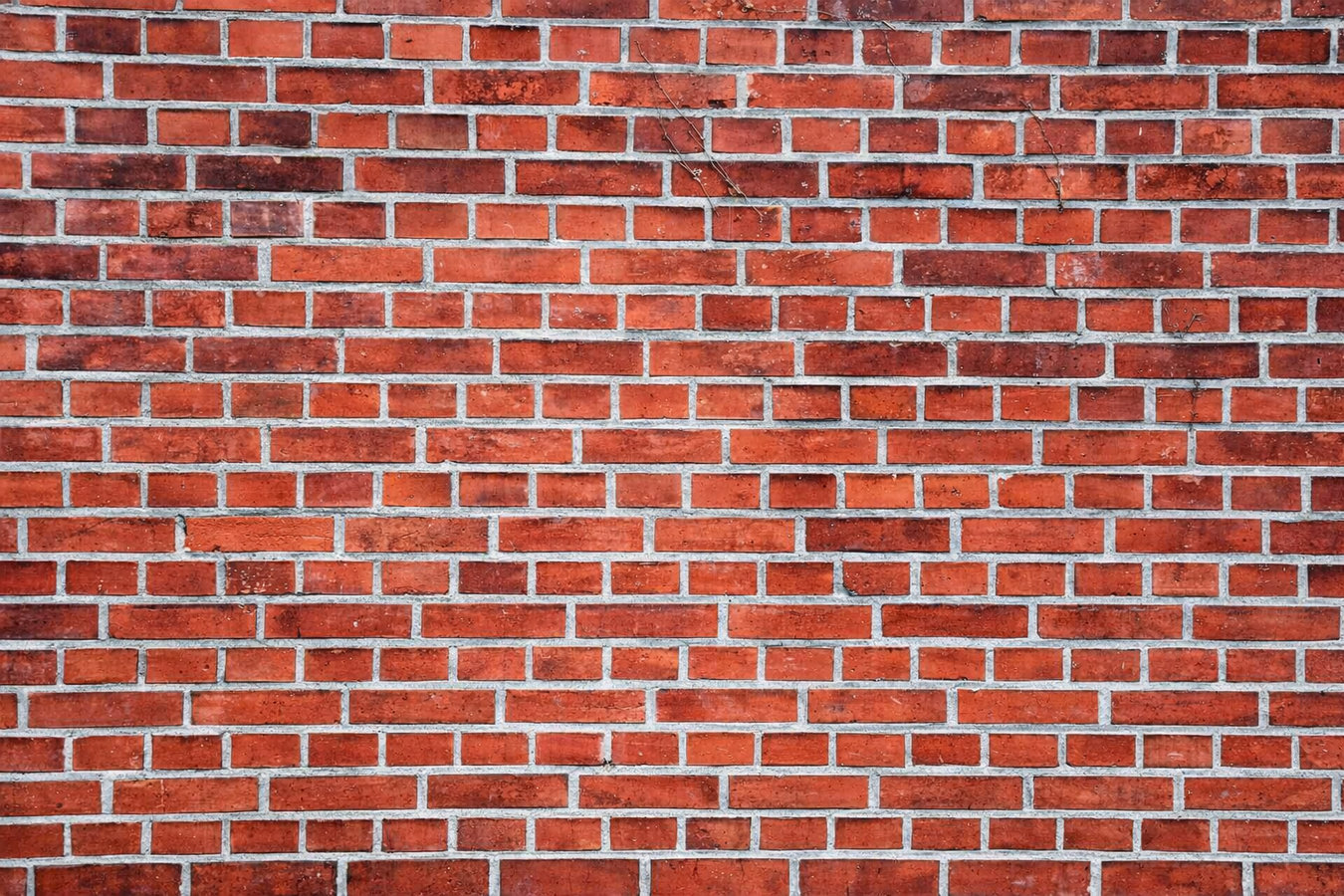
Crumbling mortar joints are not just a cosmetic problem - they are an open path for water, pests, and seismic stress to work their way into your walls. We remove the old material, pack in fresh mortar, and match the joint color so the repair blends in.
Brick pointing in Ontario means removing the old, deteriorated mortar from the joints between your bricks and packing in fresh mortar matched to the existing profile and color. Most single-story repointing jobs take one to three days. The bricks themselves stay in place - only the filler between them gets renewed. Done right, it is one of the most cost-effective ways to stop water from reaching the inside of your wall.
Mortar is designed to be softer than brick - it acts as a sacrificial layer that absorbs stress so the bricks do not crack. Ontario's combination of intense summer heat, occasional winter rain, and low humidity accelerates that wear cycle compared to cooler or wetter climates. When the mortar wears down far enough, water has a direct path into the wall, and in a seismically active region, weakened joints also reduce how well the wall handles ground movement. For homeowners dealing with broader structural wall issues that go beyond the mortar, our masonry restoration service covers that wider scope.
The most important technical detail in any repointing job is matching the mortar strength to the brick. Mortar that is too hard for older brick forces stress into the brick itself over time and can cause it to crack. A mason who assesses your brick before choosing a mix is doing the job correctly - one who just uses standard bag mix on everything is not.
Run a finger along the joints between your bricks. If the material crumbles away, feels soft, or you can see visible gaps, the mortar has failed. This is the clearest sign that repointing is overdue - and the sooner you address it, the less water damage will accumulate inside the wall.
White chalky streaks or patches - called efflorescence - are a sign that water is moving through your wall and carrying mineral deposits to the surface. In Ontario's dry climate, the wall dries out quickly after rain, but the staining stays. It is a reliable indicator that moisture is getting in through failing mortar joints.
If you notice moisture, musty smells, or damp spots on interior walls that share a surface with exterior brick, water is likely entering through deteriorated mortar. Ontario gets most of its rain between November and March - check interior walls after the first significant storms of the season. Catching this early prevents much more expensive repairs.
Stand back and look at your brick wall from an angle. If the mortar between the bricks appears noticeably lower or set back from the brick face rather than flush with it, the mortar has eroded. Recessed joints collect water and debris, which speeds up further deterioration. This is something you can spot yourself without any tools.
We handle repointing on exterior walls, chimneys, garden walls, and interior brick surfaces. Every job starts with an honest assessment of the mortar condition and the brick itself - because repointing over damaged or structurally compromised brick is one of the most common ways a repair fails before it should. For homeowners whose brick has deteriorated beyond what repointing can fix, our foundation repair service addresses structural masonry issues that start below grade, while a full wall assessment can identify whether targeted repairs or a broader rebuild is the right path.
Color-matching is part of every job, not an add-on. We apply a small test patch and let it dry before committing to the full project - because fresh mortar looks different when wet than when fully cured, and getting the color right the first time matters in Ontario neighborhoods with active HOAs or tightly packed streets where your wall is on display. The Brick Industry Association outlines industry standards for mortar joint profiles and curing practice - we follow those standards on every project.
Best for homeowners with deteriorated mortar on street-facing or side walls where water intrusion and curb appeal are both concerns.
Suited to homes where the chimney mortar has worn from exposure - chimneys take the most direct weather abuse of any brick feature on the house.
Ideal when only a section of wall shows damage - a selective repair that addresses the problem area without the cost or disruption of a full repoint.
Ontario sits in the Inland Empire, where summer temperatures regularly exceed 100 degrees Fahrenheit and the air stays dry for most of the year. That combination is harder on mortar than most people realize. High heat causes fresh mortar to dry too fast, which means it cures weaker - it needs some moisture in the air to set up properly. Experienced local masons know to mist fresh joints during dry spells and to avoid placing mortar in direct afternoon sun during peak summer months. Ontario also sits near several active fault systems, which makes well-bonded mortar joints more than a cosmetic concern. Crumbling or hollow joints do not flex well during ground movement, and even a minor tremor can widen existing cracks in a wall that is already compromised. The older neighborhoods near downtown Ontario and along Euclid Avenue have homes with original mid-century brick that has often been through multiple amateur patching attempts - a mason working in this part of the city should be comfortable assessing that layered repair history before starting fresh work.
We serve homeowners throughout the region, including properties in Pomona, CA and Montclair, CA, where the same heat, seismic exposure, and older housing stock conditions apply. Scheduling repointing work in September or October gives the mortar the best curing conditions before winter rains arrive - and it is when our calendar tends to have the most availability before the rainy season rush.
We ask a few basic questions - where the brick is, how much of it looks damaged, and whether you have noticed any water getting inside. A site visit is scheduled, typically within a few days. An honest estimate cannot be done from a photo alone, so we come to you.
We walk the wall with you and point out what we are seeing - which joints need replacing, whether any bricks are damaged, and whether there are signs of water intrusion. You receive a written, itemized estimate before we start. Most standard repointing jobs in Ontario do not require a city permit, but we will flag it if yours does.
We use grinders or chisels to remove old mortar to the correct depth - about three-quarters of an inch - then pack in fresh mortar by hand and tool the joints to match the existing profile. Expect noise and some dust. The work typically takes one to three days and does not disturb the bricks themselves.
Once the work is done, we walk the wall with you and explain the curing period - typically 24 to 48 hours before the wall gets wet and up to 28 days before the mortar reaches full strength. In Ontario's dry climate, we may recommend misting the joints lightly over the first few days to slow the cure and get a stronger result.
No commitment required - we walk the wall with you, explain what we see, and give you a written price before anything starts. We respond within one business day.
(909) 738-1803Using mortar that is too hard for older brick is one of the most damaging mistakes in repointing - it looks fine at first, but it transfers stress into the brick over time and causes cracking. We assess your brick before choosing a mix so the repair works with the wall, not against it. This is particularly important for Ontario homes built before 1980, where original brick is softer than modern standards.
Low humidity in the Inland Empire means fresh mortar can dry too fast and cure weaker than it should. We mist joints after placement during dry periods and avoid laying mortar in direct afternoon sun during peak summer - two practices the local climate demands but that out-of-area contractors often skip. The result is mortar that reaches its rated strength rather than something close to it.
Mismatched mortar color is one of the most visible signs of a rushed repair, and in Ontario neighborhoods with active HOAs or tightly packed streets, it is hard to miss. We apply a test patch and let it cure before committing to the full job, because wet mortar always looks different from dry mortar. Your wall looks cared for - not patched.
We walk the wall with you, explain exactly what we see, and give you a written price before starting. The California Contractors State License Board - which you can check at cslb.ca.gov - requires licensed contractors to operate with written contracts. We follow that standard and do not add charges without a conversation first. The number you agree to at the start is the number you pay.
Brick pointing done well is invisible - that is the point. The joints blend in, the wall stays dry, and you are not thinking about it again for 25 to 30 years. That is what we aim for on every job in Ontario and the surrounding Inland Empire.
When deterioration goes beyond the mortar joints and reaches the structural base of your home, foundation repair addresses the deeper issue before it spreads.
Learn MoreFor brick or stone surfaces with widespread damage - spalling, staining, or repeated failure across large sections - restoration covers the full scope rather than targeted repointing.
Learn MoreOntario's wet season starts in November - mortar that fails during a rain event lets water into your wall fast. Schedule your assessment now and get it sealed before the season turns.