
Loading...
Serving Ontario, CA and surrounding areas. (909) 738-1803
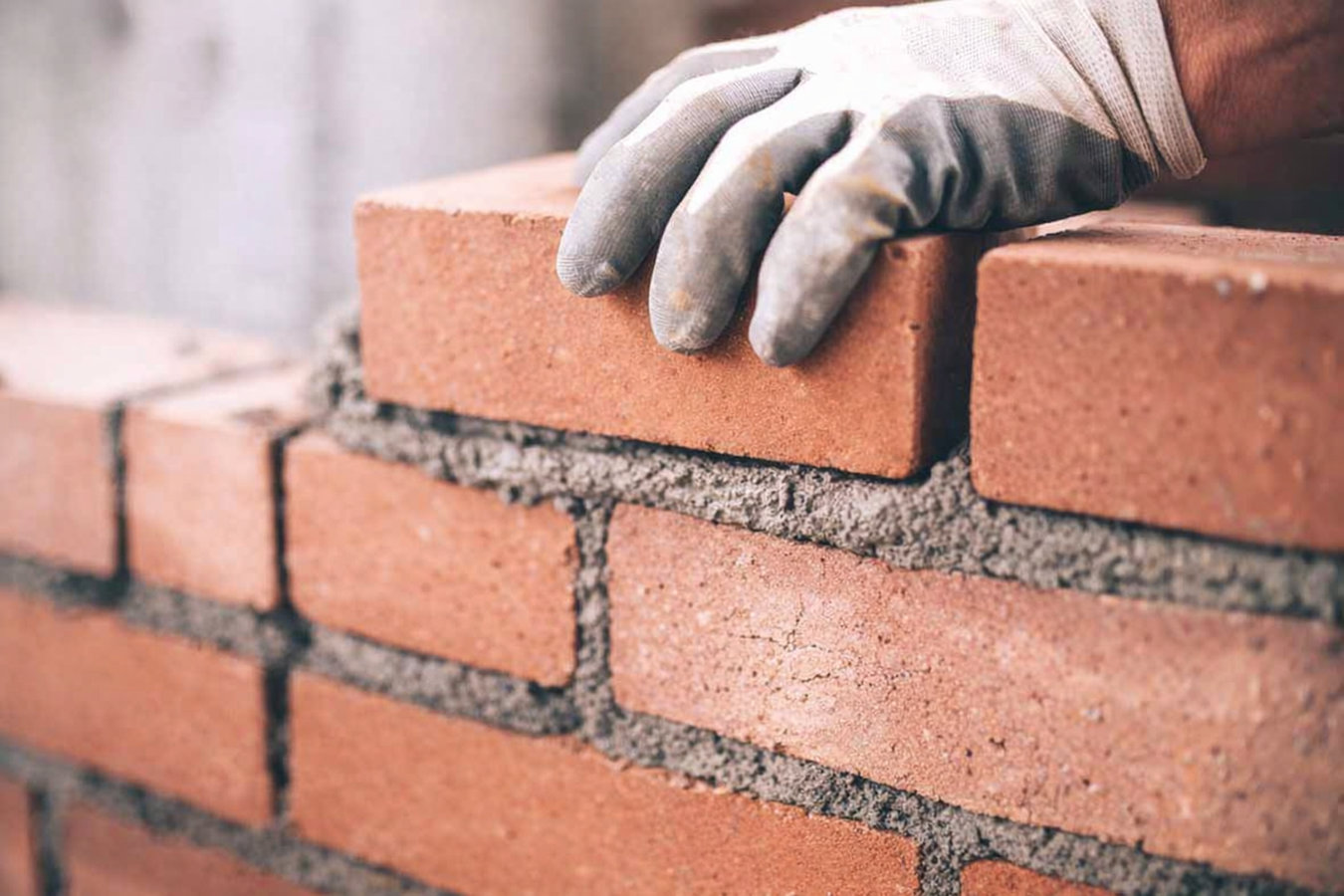
Rotting fences, crumbling block walls, and undefined property lines are problems a properly built brick wall solves permanently. We install walls with seismic-rated footings and handle the City of Ontario permit process from start to finish.
Brick wall installation in Ontario means laying individual bricks course by course in mortar, on a concrete footing sized for local soil and seismic conditions. Most garden walls and short privacy walls take two to four days. Longer perimeter walls can take one to three weeks. The finished product is solid, dense, and built to last for decades when the footing and mortar work are done correctly.
Ontario homeowners replace wood fences with brick walls for the same reason every time: wood in the Inland Empire lasts 10 to 15 years before it starts warping or rotting in the posts. A brick wall has none of those maintenance demands and also reduces street noise better than fencing. If your project involves mortar joint repairs on an existing brick structure rather than a new wall, our brick repair service covers that work.
The most important part of any brick wall is the part you never see: the footing. A footing that is too shallow or too narrow for local clay soil conditions will shift, and when the footing shifts, bricks crack and walls lean. That is why we size the footing for Ontario conditions on every job before the first brick goes down.
Cracks running through mortar joints or bricks, or a wall that looks like it is tilting even slightly, signal that the foundation or structure has been compromised. In Ontario, this often happens after a dry summer followed by heavy winter rains, when the soil shifts beneath the footing. A leaning wall can fall, and it is worth having a mason assess it before the next rainy season.
Run your finger along the mortar joints on an older wall. If the mortar feels soft, flakes off, or has gaps where it has pulled away from the brick, water is getting in. In Ontario's climate, where temperatures swing significantly between summer and winter, that moisture will expand and contract inside the wall and make the damage worse each year without repair.
Wood fences in Ontario's dry, sun-intense climate typically last 10 to 15 years before warping, rotting at the posts, or leaning. If your fence already shows those signs, replacing it with a brick wall is a permanent solution that will not need replacing again in your lifetime. A brick wall also provides better sound reduction from nearby streets.
Any time you change the grade of your yard - adding a raised planting bed, a pool deck, or a retaining area on a slope - you likely need a masonry wall to hold the new grade in place. If dirt is moving or washing toward your foundation after rain, a retaining wall is overdue. Ontario's hillside lots in the northeast part of the city often require this as part of landscaping upgrades.
We install decorative garden walls, freestanding privacy walls, and structural retaining walls - all with the correct footing depth for Ontario's clay soil and seismic exposure. Every wall that needs it gets steel reinforcement inside the masonry before a permit inspector ever sees the job. For homeowners who want a different material or a natural stone look rather than fired brick, our stone masonry service covers that option with the same base preparation standards.
Brick walls that have been standing for years but are showing mortar deterioration do not always need to be torn down and rebuilt. Our brick repair team can assess whether repointing and targeted repair is the right solution, saving you the cost of a full installation when the structure underneath is still sound. We will give you a clear recommendation either way after an on-site visit.
Best for homeowners who want a low border wall, planter surround, or yard accent that adds character without a major structural requirement.
Suits homeowners replacing a failing fence or establishing a permanent property line with a structure that lasts decades and reduces noise.
Ideal for properties with slopes, grade changes, or soil movement issues where a structural masonry wall is needed to hold the ground in place.
Ontario sits in a seismically active part of Southern California. The California building code, enforced by the City of Ontario, requires masonry walls above a certain height to include steel reinforcement inside the wall. A properly permitted wall is inspected by a city official before you make your final payment - which means you have documentation that the structure was built to code if you ever sell the home or file an insurance claim. Any mason who suggests skipping the permit to save time is putting that documentation at risk. Ontario summers also push above 95 degrees routinely, and extreme heat causes mortar to dry too fast and lose strength. Experienced local masons start early on hot days, use shading, and mist fresh mortar to slow the curing process.
We work throughout the Ontario service area, including properties in Chino, CA and Fontana, CA, where the same clay soil expansion, HOA requirements, and seismic reinforcement rules apply. Fall and early spring bookings tend to produce the best curing results and the most straightforward scheduling.
We come to your property, walk the area, and look at the ground conditions, access for materials, and any existing structures nearby. You receive a written quote that breaks down labor, materials, and permit fees separately. If the quote is just a single number with no breakdown, ask for more detail before signing anything.
For walls that require a City of Ontario permit, we handle the application on your behalf - this is standard practice. If your neighborhood has an HOA, we can provide the drawings needed for the architectural committee review. Permit and HOA steps can add one to three weeks to the timeline, so we confirm these early.
The crew digs out the footing area, forms and pours the concrete base, and waits for it to cure before a single brick goes down. Brick laying then begins course by course, with constant level and plumb checks. Depending on wall length and height, this phase takes one day to two weeks. The work area is off-limits during active brick laying.
When the last brick is laid, we clean the site and coordinate the city inspection if a permit was pulled. The mortar needs about 28 days to reach full strength - avoid pressure washing or heavy impact on the wall during that period. After curing, the wall is ready for any landscaping or finishing work you have planned.
We reply within one business day. The estimate includes labor, materials, and permit fees so you can compare bids on equal terms.
(909) 738-1803Southern California's seismic exposure means masonry walls above certain heights require steel reinforcement inside the wall. We include this as standard on every structural wall, so the finished product meets California building code requirements and holds up in the event of ground movement.
Parts of the Inland Empire sit on clay-heavy soils that expand when wet and shrink in dry heat. We size the footing depth and width for local conditions on every job - not a generic standard - so the wall stays level through Ontario's seasonal moisture cycles. The Brick Industry Association sets the technical standards we follow for footing design and mortar specifications.
We handle the City of Ontario Building and Safety permit application, the inspection scheduling, and the final sign-off. You get a wall that is on record with the city, which matters when you sell the home or need documentation for an insurance claim.
Large portions of Ontario - particularly southwest near Ontario Ranch - are governed by HOAs with specific rules about wall height, brick style, and finish color. We have worked with common HOA guidelines in this area and can provide the drawings the architectural committee needs for approval before construction starts.
Seismic reinforcement, correctly sized footings, and a clean permit record are the three things that separate a brick wall worth paying for from one that becomes a liability. We build the first kind on every project.
Choose natural stone instead of fired brick for a wall that carries the same structural integrity with a distinctly different character and texture.
Learn MoreIf your existing brick wall is structurally sound but showing mortar deterioration or surface damage, targeted repair may be more cost-effective than a full rebuild.
Learn MoreFall is the best window for masonry work in the Inland Empire - mortar cures better in cooler temperatures and contractor availability is easier to secure before the spring rush.